
Every January, the same question comes up for thousands of UK taxpayers: “When exactly is my tax return due?”
If you’re self-employed, a landlord, a company director, or filing for the first time, the deadline matters – especially when January arrives faster than expected.
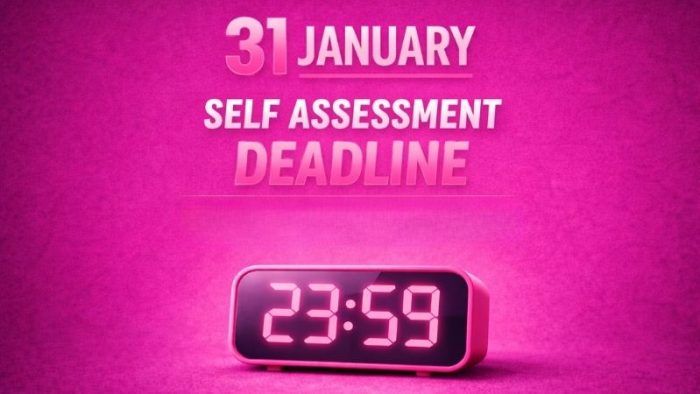
Key date: 31 January – deadline to file your online Self Assessment tax return and pay any tax owed for the previous tax year.
Missing the deadline can trigger penalties and interest, but quick action can significantly reduce the fallout.
First things first: don’t panic – act now
At F9 Consulting, we see the same pattern every year: people who are fully capable, just short on time. The goal now is to take the right steps in the right order.
Step 1: Pull together what you have (perfect can wait)
You don’t need everything neatly labelled. Start with what you can access:
- P60s or P45s
- Self-employed income details
- Dividend statements
- Rental income records
- Pension contributions
- Any work-related expenses you can remember paying
Missing information is common in January. An accountant can help identify gaps and work through them.
Step 2: Make sure you actually need to file
Not everyone who receives a reminder from HMRC must submit a return. In some cases, you may not need to file if:
- All income was taxed at source
- You earned below the Self Assessment threshold
- HMRC issued the return in error
Confirming this quickly can save you time and unnecessary stress.
Step 3: If you’re close to the deadline, speak to an accountant
Even in January, there’s usually still time to submit correctly – especially with support. A good accountant can:
- Complete your return quickly and accurately
- Spot allowable expenses you may miss
- Reduce your tax bill legally
- Submit on your behalf
- Deal with HMRC directly if needed
What happens if you miss the deadline?
If you miss 31 January, penalties can apply – but taking action still matters.
Late filing penalties (quick overview)
- £100 immediate late filing penalty
- After 3 months: £10 per day (up to £900)
- After 6 months: additional penalties may apply
- Interest is charged on unpaid tax
HMRC is often more reasonable when you act quickly and communicate properly – particularly through an accountant.
Can’t pay your tax bill right now? You may still have options
If cash flow is tight, you’re not alone. Depending on your circumstances, options may include:
- Time to Pay arrangements with HMRC
- Staged payments
- Reducing liability through legitimate reliefs
An accountant can help you approach HMRC correctly and avoid unnecessary penalties.
How long does a tax return take with an accountant?
- Simple returns can often be completed in a few days
- More complex cases may take a week or two
- Delays in January are usually caused by missing information, not the accountant
Need help getting your Self Assessment sorted?
If you’re cutting it close to the Self Assessment deadline, getting advice now can save penalties, time, and unnecessary stress.
📞 Call us: 01277 223278
✉️ Email us: sales@f9consulting.co.uk
🌐 Visit us: www.f9consulting.co.uk